 Admin
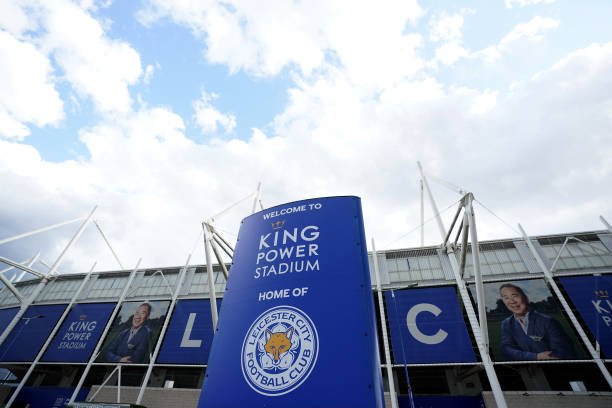
Leicester City have laid bare the scale of their financial malaise, confirming a pre-tax loss of £71.1 million for the 2024–25 campaign — a season that brought only a brief return to the Premier League.
It is a sobering set of accounts, long feared by those who questioned the club’s direction during Brendan Rodgers’ tenure.
Heavy spending on inflated transfer fees and wages, often without a clear strategy, has left a damaging legacy.
Rodgers argued that sustained European ambition required stronger foundations, yet the execution proved flawed. Stockpiling a bloated squad on high salaries, without cohesion or resale planning, has instead destabilised the club.
Recruitment remains a central concern. Too many signings failed to fit the system, while others simply did not deliver.
The result is a squad carrying costly contracts with diminishing value. As ever, poor investments rarely offer a return.
Off the pitch, Leicester’s expanding infrastructure — notably the Seagrave training ground — has increased fixed costs without generating sufficient income. In the Championship, such a model becomes increasingly difficult to sustain.
There is, at present, little clarity from the club on how these issues will be addressed. Without significant cost-cutting, fresh investment, or a rethink of strategy, the outlook remains uncertain. Player sales may provide short-term relief, but they are no substitute for a sustainable model.
For a club that once prided itself on smart planning, Leicester now face a defining period.


 Admin